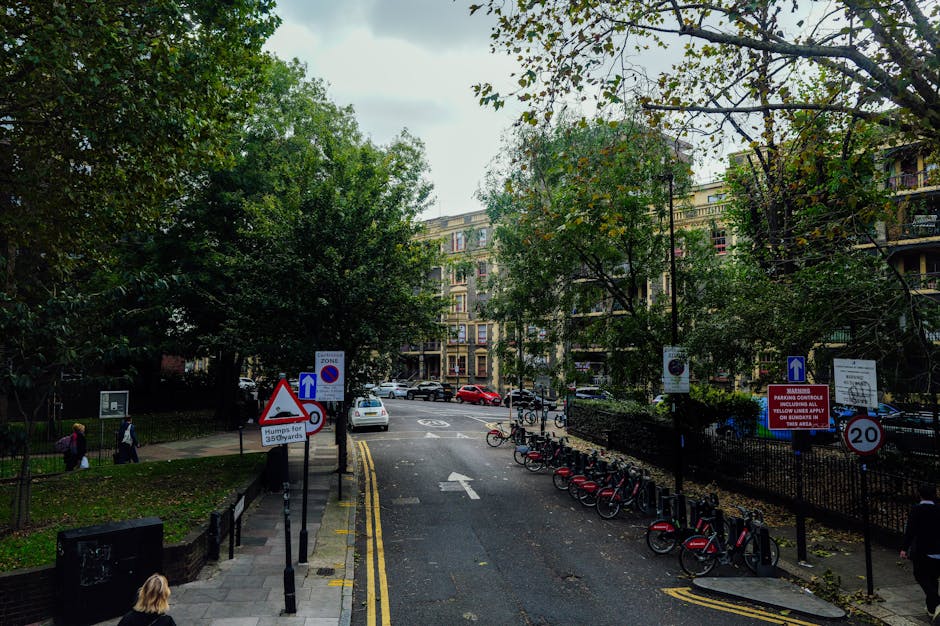
Man with a Van in Stepney for practical removals and careful transport

Our man with a van in Stepney service is built for straightforward moving jobs that need a sensible vehicle, careful handling and a flexible approach to access. It suits customers who want help shifting furniture, boxes, household items or business equipment without arranging a full-scale removal. The service can cover single items, part loads and smaller moves, with the emphasis on moving possessions securely and keeping the process organised from start to finish.
The work is especially useful when the load is too awkward for a car but does not call for a large lorry. We can help with collections, local deliveries and moving items between addresses, and the service can be tailored to the size and shape of the load. If you need a quotation for a move in Stepney, you can ask for one with the details of what needs to go, where it is going and any access points that matter.
Because every move is different, it helps to think about what is being moved, whether anything is fragile or heavy, and how much assistance will be needed at either end. A well-planned van move is usually about fitting the right vehicle and the right handling into the job, rather than adding unnecessary complication. Clear information at the outset makes it easier to match the service to the task.
House moves, single items and small load transport
For home moves, the service can cover anything from a compact flat move to a smaller house relocation where a full removals operation would be more than is required. The same approach also works for individual items that need safe transport, such as a sofa, wardrobe, bed frame, table, appliance or boxed belongings. In each case, the aim is to move the load efficiently while keeping handling sensible and controlled.
We also handle part loads for customers who are combining belongings, moving in stages or shifting selected items rather than everything in one journey. This can be useful when you are clearing a room, changing storage, relocating a few essentials or sending a purchase to another address. A single-vehicle move is often a practical option when space is limited and the task needs a tidy, direct solution. If you are comparing options, you may find the man and van removals page helpful for understanding the type of work covered.
Typical jobs in this part of the service include:
- moving furniture from one home to another
- collecting items bought privately or through a marketplace
- carrying boxes from storage or a garage
- transporting a few large pieces after a clear-out
- taking selected belongings to a new address
Commercial moves and office relocations

Small business customers often need transport that is organised enough for office equipment but not as disruptive as a large corporate move. Our commercial work can cover desks, chairs, filing, archive boxes, small stock quantities and other work-related items that need moving between premises. The focus is on keeping the load orderly, protecting items during transport and fitting the move around practical business needs.
Office relocation work may involve a simple transfer of furniture, a phased move over more than one journey or the transport of specific equipment to another workspace. When planning this sort of job, it is useful to note what should be moved first, whether any items need extra care and whether access is straightforward at each location. For larger office moves, the office removals page gives a better sense of the related service area.
Commercial transport is often most effective when the move is broken into manageable parts. That may mean separating files from furniture, or keeping fragile equipment apart from heavier items. Good packing and labelling can save time and reduce confusion when everything is unloaded. If you are unsure whether your job fits this type of move, it is usually best to describe the load clearly so the right size of vehicle and handling approach can be arranged.
Furniture handling, collections and careful loading
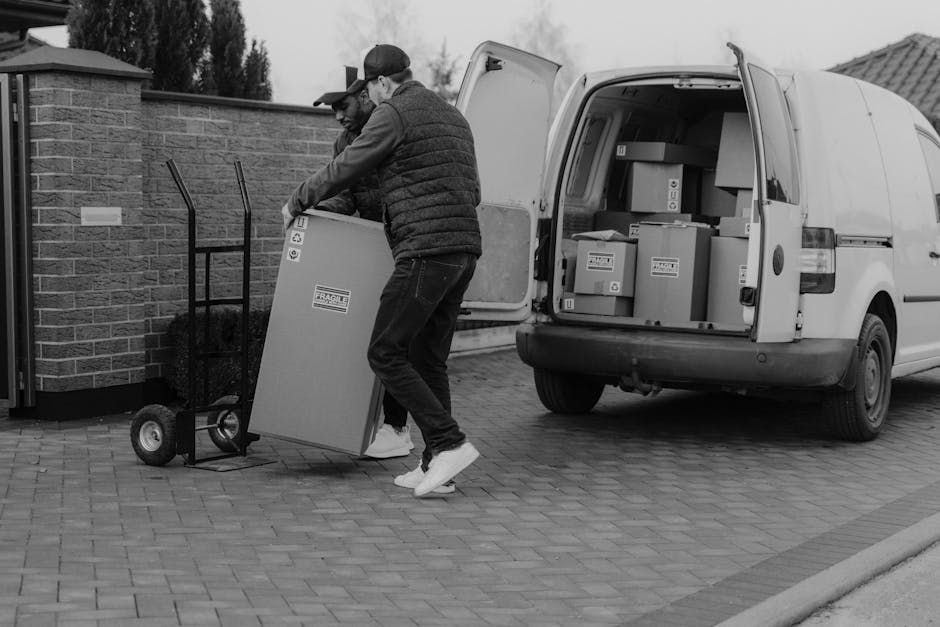
Furniture jobs are a core part of many van moves, especially when items are bulky, awkward or too valuable to risk damaging through rough handling. Sofas, beds, wardrobes, cabinets, tables and office furniture often need a practical loading plan so they can be moved without unnecessary strain. We work with the shape and weight of the items, rather than forcing them into the vehicle in a way that creates risk.
Collection work can also include items that have just been purchased or acquired second-hand, where a reliable transport option is needed to bring them home safely. If a piece needs to be carried through narrow access, around corners or up and down stairs, that should be considered when planning the move. The furniture pick up page is relevant where the job is mainly about collecting and delivering individual pieces rather than moving a whole property.
Where useful, items can be grouped to make loading more efficient and to reduce movement in transit. A sensible sequence for furniture transport is often to load the heaviest and most stable pieces first, then secure lighter items around them. This helps protect finishes, prevent shifting and make better use of the space inside the van. Careful loading matters just as much as the drive itself.
Packing support and preparation for a smoother move

Some customers only need transport, while others prefer help with the practical steps that make a move easier to manage. Packing and unpacking support can be useful where the job involves boxes, mixed household contents or items that should be grouped carefully before loading. This kind of assistance is especially helpful when you want to protect breakables, keep essentials together and avoid last-minute confusion on moving day.
When you are preparing a quote request, the most useful information is usually a simple list of what needs moving, any especially heavy or delicate items, and whether there are stairs, lift access or parking restrictions. Photos can also be helpful when the load is unusual or the access is tight, because they give a clearer picture of how the move may need to be handled. For service details beyond transport alone, the packing and unpacking services page gives a sensible place to look.
Good preparation does not need to be complicated. The aim is to reduce avoidable delays and keep the job organised. That can mean separating what is staying from what is going, emptying drawers where practical and making sure the most fragile items are clearly identified. Simple preparation often makes the move feel calmer and more controlled, especially when the schedule is tight or the load is varied.
How the van move is planned and priced
Van moves are usually shaped by a few practical factors: the volume of items, the weight and fragility of the load, the distance between addresses, and any access considerations at collection or delivery points. A short local job with a handful of boxes is very different from a property move with several large furniture items, so pricing and planning need to reflect the actual task. That is why a clear description is useful before work is booked in.
If the job includes more than one stop, awkward carrying distances or items that require extra handling, these details should be mentioned early. It is also sensible to say whether the move is one-way, return-based or part of a larger schedule. If you are comparing services, the removal services page can help with the broader range of moving options, while the enquiry process remains straightforward and direct. Accurate details help avoid guesswork and make the quotation more relevant.
Not every move needs the same level of support, so it is worth matching the service to the job rather than choosing more than you need. A simple van move can be an efficient option for small homes, individual items, collections and business transport alike. If you are ready to discuss the practicalities, now is a good time to request a quotation and outline the load in plain terms.
Stepney and its local setting
Stepney is a district in the London Borough of Tower Hamlets, in the East End of London. Historically it developed as a parish and later as a densely populated urban area shaped by dockland, trade, migration and rebuilding. Its position east of the City of London has long connected it with the wider growth of London’s eastern districts, and the area has absorbed successive changes in housing, streets and local institutions over time. The name still carries a strong sense of layered history, with older routes and later development sitting close together in the modern landscape.
The district includes a mix of residential streets, estates, churches and public spaces, with links to nearby Whitechapel, Limehouse, Bethnal Green and the Isle of Dogs side of the borough. One of its best-known landmarks is St Dunstan and All Saints, a parish church with medieval origins that stands as a reminder of earlier Stepney. The wider area has also been shaped by the growth of London’s East End communities, the movement of populations after the Second World War, and later regeneration that brought new housing and services into parts of the borough.
Stepney Green is a notable local feature, both as a park and as a name associated with the surrounding neighbourhood. The district’s streets reflect the compact pattern typical of inner east London, while transport connections and nearby commercial areas link it to the broader city. Public spaces, terraced housing and later estates sit within a fabric that still shows traces of older parish boundaries and historical change. As a place, Stepney is best understood through its mixture of heritage, lived-in streets and proximity to the river-facing districts that helped shape London’s eastern growth.
Household removals with a flexible van service

Household removals do not always need a large vehicle or a full team. For many moves, a van-based service is a practical fit because it can handle a modest volume of belongings without adding unnecessary scale. This is particularly useful for one-bedroom homes, studio flats, shared accommodation and situations where some items have already been moved separately. The service can be adapted to suit the amount of furniture and boxes involved.
Where the move is mainly household furniture and personal effects, the main focus is on safe loading, sensible stacking and careful delivery. Items can be grouped by room or by fragility, depending on what will make unloading easier. The home moves page is useful if you are weighing up the broader domestic moving options available through the site. Order matters, especially when several items need to be delivered to different parts of a property.
It is often the combination of items, access and timing that determines how a move is best handled. A straightforward plan keeps the day manageable and reduces the chance of unnecessary back-and-forth. If you only need selected belongings moved, a van service can be more efficient than arranging a larger-scale removal. Where needed, extra care can be taken with fragile belongings, disassembled pieces and items that must remain upright.
Policies, care standards and practical reassurance
Customers often want to know how belongings are handled and what standards apply during transport. Clear policies around safety, payment and service conduct help set expectations before the job begins, especially when items are valuable or the move involves shared access spaces. It is sensible to understand what is covered and how responsibilities are managed, particularly where there are stairs, tight corridors or items that need special handling.
The insurance and safety page is relevant if you want to look at the company’s stated approach to protecting goods and working carefully during a move. The health and safety policy can also be useful where you want to understand the practical measures that support safe lifting, loading and transport. Peace of mind is usually built from good preparation and clear working practices rather than from assumptions.
If you are arranging a move with mixed items or potentially delicate possessions, it is sensible to mention any concerns as early as possible. That may include fragile surfaces, awkward weights, or items that need to stay dry and secure in transit. A careful approach does not mean making the service complicated; it simply means recognising what needs attention before the vehicle is loaded. For customers who want to know more about the business itself, the about us page provides additional background.
Choosing the right moving option
A man and van service works best when the job is well matched to the size of the load and the level of help required. If you are moving a few key items, relocating part of a household, or transporting something bought elsewhere, a smaller and more direct service can be a sensible choice. Where the move becomes more substantial, related removal pages may be more suitable, but the smaller vehicle option often remains efficient for many everyday tasks.
The man and van page gives a simple overview of this style of service, while the broader removal company page is useful if you want to see how the business presents its moving work overall. Different customers value different things: some want minimal handling, some want more loading help, and some mainly need transport between addresses. The key is to choose a service that fits the actual task rather than a category name alone.
If the move involves a narrow staircase, limited parking or a time-sensitive collection, those practical details should be taken into account from the beginning. The best arrangement is usually the one that keeps the move straightforward and proportionate. You can ask for a quotation once you know what is being moved and where it needs to go, then decide whether a van-based solution is the right fit.
Start planning your Stepney move

When a move is smaller, simpler or more specific than a full house clearance, a man with a van can be the right balance of flexibility and careful handling. The service can be used for home moves, furniture collections, part loads and small commercial transport, with the emphasis on keeping possessions secure while keeping the job manageable. That makes it a practical option for customers who want direct transport without unnecessary complexity.
If you are preparing to move in Stepney, the most useful next step is to set out the items, the addresses and any access issues in plain language. That gives a much clearer basis for planning than a vague description and helps the work be matched to the right vehicle and handling approach. You can also review related pages such as removals and commercial moves if your job sits between domestic and business transport.
Get in touch for a quotation when you are ready to discuss the load, the route and the practical details of the move. A clear enquiry is the best way to get a suitable response, and it keeps the process simple for everyone involved. Whether the job is a single item, a small flat move or a short business transfer, the service is built to handle it in a careful, organised way.