Removals on Cable Street -- Best Routes and Parking Tips
If you are planning a move on or near Cable Street, the job is rarely just about boxes and bubble wrap. The street layout, local traffic patterns, loading space, and timing all shape how smooth the day feels. A well-planned move can save a surprising amount of stress. A poor one? Well, it can turn into a slow crawl with a sofa stuck halfway through a doorway and a van waiting in the wrong place. Not ideal.
This guide brings together the practical side of Removals on Cable Street -- Best Routes and Parking Tips, with local know-how, route planning advice, parking considerations, and simple steps that make a real difference on moving day. Whether you are moving a flat, a family home, or a few bulky pieces of furniture, the aim is the same: keep access clear, avoid delays, and make the whole thing feel manageable.
For readers comparing services, it can also help to understand the wider support available through local removals in Stepney, man and van support, and house removals in Stepney. Those pages give useful context if you are still deciding how much help you need.
Table of Contents
- Why Removals on Cable Street -- Best Routes and Parking Tips Matters
- How Removals on Cable Street -- Best Routes and Parking Tips Works
- Key Benefits and Practical Advantages
- Who This Is For and When It Makes Sense
- Step-by-Step Guidance
- Expert Tips for Better Results
- Common Mistakes to Avoid
- Tools, Resources and Recommendations
- Law, Compliance, Standards, or Best Practice
- Options, Methods, or Comparison Table
- Case Study or Real-World Example
- Practical Checklist
- Conclusion
- Frequently Asked Questions
Why Removals on Cable Street -- Best Routes and Parking Tips Matters
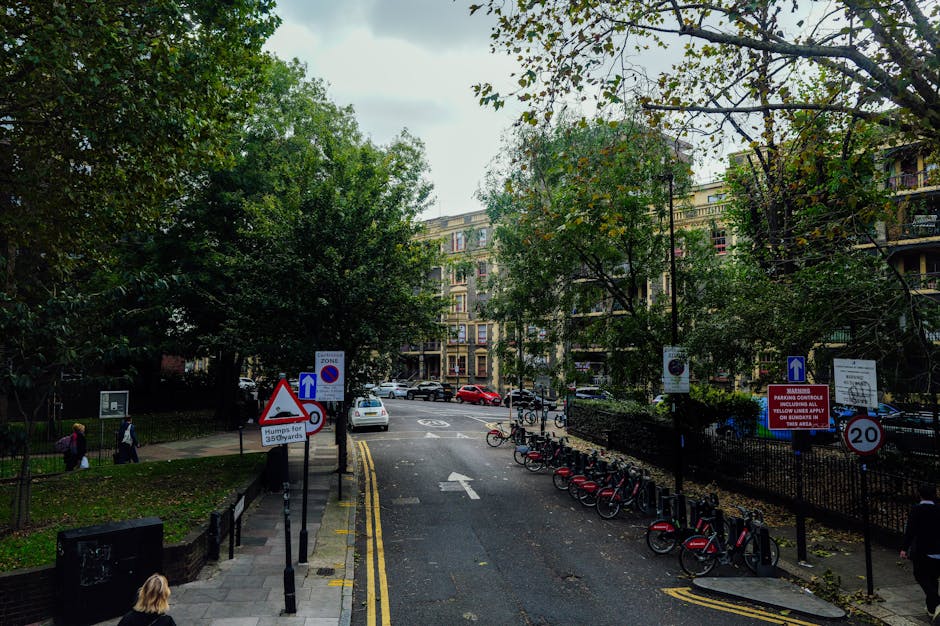
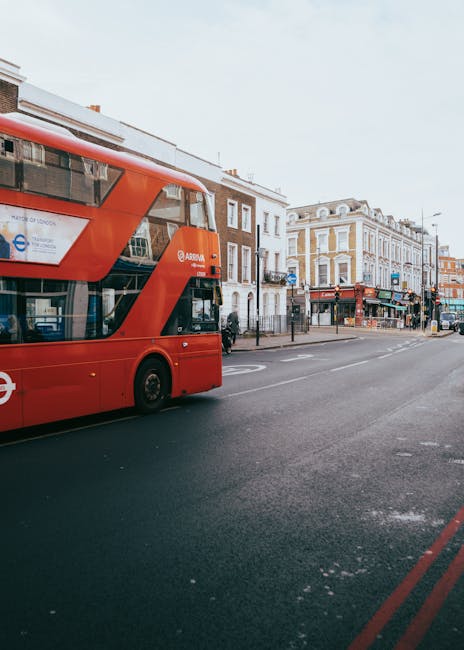
Cable Street sits in a busy part of East London, and that matters more than people sometimes expect. Even a small move can be thrown off by busier roads nearby, narrower side streets, parked cars, and limited room to load safely. If the van cannot stop close enough to the property, every box has to be carried further. That means more time, more fatigue, and more chances for knock damage.
Parking is often the hidden problem. You may have a lift booked, keys in hand, and a perfectly packed van, yet the whole timetable slips because the driver has to circle for a legal stopping point. It sounds small. It isn't. If you have ever watched two people carry a wardrobe down a tight pavement while trying not to block traffic, you will know exactly why planning matters.
Route choice matters too. The best route is not simply the shortest one on a map. It is the one that balances access, height restrictions if any apply to your vehicle, road widths, congestion, and realistic unloading space near the destination. In moving terms, efficiency beats theory every time.
Expert summary: The best Cable Street move is usually the one that starts before the van arrives. A clear route, a legal place to stop, and a sensible loading plan often matter more than speed on the day.
How Removals on Cable Street -- Best Routes and Parking Tips Works
A successful move on Cable Street typically follows a simple pattern. First, you identify where the van can approach safely, then you check how long it can remain parked for loading or unloading, and finally you match that plan to the size of your move. Sounds straightforward, but the difference between a smooth move and a messy one usually sits in the details.
The process normally begins with access planning. That means thinking about the property entrance, nearby road conditions, and whether your items can be carried in a straight line or whether there are awkward corners, steps, or shared entrances. Flats are often the trickiest, especially if the building has no lift or if the stairwell is tight. If that sounds familiar, flat removals in Stepney is a useful related service page.
Next comes parking and unloading. On a street like Cable Street, the driver may need to use a loading bay, a legal waiting area, or a carefully timed stop that avoids blocking traffic. In some cases, a smaller vehicle is simply more practical. That is where a removal van in Stepney or a man with a van approach can work very well for compact moves.
Finally, the actual move should be staged. Large pieces first, fragile items separately, and everything labelled so nobody is asking, "Where does this box go?" while standing in a hallway with the kettle already unplugged. Truth be told, that happens more often than people admit.
Key Benefits and Practical Advantages
Planning your route and parking properly gives you more than convenience. It changes the whole tone of the move. Here are the biggest advantages.
- Less wasted time: A van that can stop close to the property reduces repeated carrying and waiting.
- Lower physical strain: Shorter carry distances help protect your back, arms, and furniture corners.
- Reduced risk of damage: Fewer trips through doors and pavements means fewer knocks and scuffs.
- Better timing: Route and parking planning helps you stay on schedule, especially if you have key handover times.
- Less stress: When the access plan is clear, the day feels more controlled. Not perfect, just calmer.
There is also a financial benefit. A move that runs efficiently often avoids extra waiting time and can reduce the need for additional trips. If you are comparing options, it may help to review pricing and quotes early so you understand what is included and how access could affect the final plan.
And for people moving specific items, the right service makes a difference. A piano, for instance, is not just "another heavy thing". It needs a different approach. The same goes for large sofas, beds, or office desks. For more on specialist handling, see piano removals in Stepney and furniture removals in Stepney.
Who This Is For and When It Makes Sense
This kind of planning is useful for almost anyone moving in the area, but it becomes especially valuable if your access is limited or your items are bulky. If you are moving from a top-floor flat, you will feel the benefit straight away. If you are moving a family home with a lot of boxes, even more so.
It also makes sense if you are time-sensitive. Students moving out between term dates, office teams trying to avoid lost working hours, or landlords arranging a quick turnaround all need a plan that works in real conditions, not just on paper. In those situations, a local service such as student removals or office removals in Stepney may be a better fit than trying to manage everything solo.
If you are dealing with a last-minute move, the same logic applies. Fast does not have to mean chaotic. It just means being more deliberate about what must happen first. Sometimes a small, well-timed vehicle is better than a larger van that cannot park neatly where you need it. Cable Street rewards that kind of thinking.
Step-by-Step Guidance
Here is the practical way to approach a move on Cable Street without making it harder than it needs to be.
- Check access at both ends. Look at the entrance, stairways, kerbs, and any narrow sections where a van or trolley might struggle.
- Decide what vehicle size makes sense. Bigger is not always better. A smaller van may park more easily and save time overall.
- Plan the route before moving day. Consider traffic timing, roadworks, turning space, and any local pinch points.
- Confirm parking arrangements. If formal permissions or timed stops are needed, sort them early rather than hoping for the best.
- Pack by loading order. Put heavy and sturdy items together, then fragile boxes, then quick-access essentials.
- Label the destination rooms. It sounds basic, but it keeps unloading steady and avoids clutter building up in one corridor.
- Use the right moving aids. Trolleys, straps, blankets, and gloves all help, especially for awkward or heavy pieces.
- Leave a small buffer. A little extra time helps when a neighbour is parked badly or the lift is slower than expected.
If you want packing to run more smoothly, this guide to expert packing techniques is worth reading before the day arrives. It pairs well with packing and boxes in Stepney if you need materials as well as advice.
One small but useful habit: keep a "first hour" box separate. Kettle, chargers, basic tools, toilet roll, snacks. Yes, snacks. Moving day is not the time to become a martyr.
Expert Tips for Better Results
After enough moves, a few patterns become obvious. The best outcomes usually come from the small decisions made before the van is even loaded.
- Move during quieter windows where possible. Early starts can help, especially if local traffic is lighter and there is less pressure on parking.
- Protect corners and door frames. A quick wrap with blankets or padding can save a surprising amount of repair hassle.
- Keep bulky items separate from loose boxes. Mixed loads tend to shift. That is when scratches happen.
- Use two-person lifts for awkward furniture. Even if you think you can manage it alone, that extra pair of hands is often the difference between controlled and clumsy.
- Check the weather. Rain, drizzle, and slippery pavements change how carefully things should be carried. London weather does enjoy keeping people humble.
- Book storage if there is a gap between properties. Short-term storage can remove pressure when handover times do not align neatly.
For heavier items, read this guide to lifting heavy objects safely and the related article on kinetic lifting. Even if you are not doing every lift yourself, understanding the basics helps you judge when to step back.
And if your move includes a bed, mattress, or sofa, the furniture-specific advice matters. See moving beds and mattresses safely and sofa storage tips for practical handling ideas.
Common Mistakes to Avoid
The biggest mistakes are rarely dramatic. They are usually the simple ones people assume will sort themselves out.
- Assuming parking will be easy. It may not be. Always check before the day.
- Booking the wrong size van. Too small means extra trips; too big can mean access problems.
- Leaving packing until the final evening. That is how fragile items end up in random bags.
- Ignoring building access. Stairwells, lifts, and entry codes can slow things down more than the road itself.
- Trying to move everything at once. This leads to clutter, confusion, and tired people standing in the way of each other.
- Not protecting shared spaces. Hallways and communal areas matter, especially in flats and managed buildings.
There is also a tendency to overestimate how much can be done in one trip. To be fair, we have all done it. A glance at a pile of boxes and suddenly you imagine a miracle. But moving is a logistics problem first and a lifting problem second.
If you want the work done with fewer surprises, check the broader support offered through removal services in Stepney and local removal companies. It helps to compare service scope before the pressure is on.
Tools, Resources and Recommendations
You do not need a warehouse of gear, but a few practical tools can make the move safer and less tiring.
| Tool or Resource | Why It Helps | Best For |
|---|---|---|
| Furniture blankets | Protects wood, paint, and corners from scuffs | Desks, wardrobes, sofas |
| Ratchet straps | Helps secure items in the van | Mixed loads, long items |
| Two-wheeled trolley | Reduces strain on heavier boxes and appliances | Flats, longer carry distances |
| Labels and marker pens | Makes unloading faster and less confusing | Every move, honestly |
| Short-term storage | Bridges timing gaps between properties | Delayed handovers, decluttering |
If you are moving appliances, you may need extra preparation. Fridges and freezers are best handled carefully and allowed to settle correctly after transport. That is covered well in how to store your freezer for longevity. For seasonal or temporary holding, storage in Stepney can be a sensible option.
Decluttering before the move is another high-value task. Fewer items means easier parking, quicker loading, and less pressure on the day. This guide on decluttering before relocating is a good starting point, especially if you are moving from a smaller property or flat.
Law, Compliance, Standards, or Best Practice
For moves on a busy London street, best practice is not just about convenience. It is about respecting local access, road safety, and property rules. Exact parking rules can vary by location and time, so it is wise to check current local conditions rather than relying on assumptions. That is especially true where loading bays, permit zones, or time-restricted stopping areas may apply.
If your move involves a shared building, follow any instructions from the landlord, managing agent, or building manager. Many flats have rules about protecting communal areas, booking lift access, or using service entrances. Those rules may feel fussy in the moment, but they usually exist for a reason.
From a safety standpoint, lifting should be controlled and realistic. The wrong technique can cause injury, and moving heavy items alone is a poor gamble. The same applies to vehicle loading. Items should be stacked so they cannot shift suddenly. If in doubt, slower and safer beats fast and careless.
For peace of mind, it also helps to review insurance and safety information, along with the company's health and safety policy. These pages are useful if you are checking how a provider approaches risk, handling, and customer care.
Options, Methods, or Comparison Table
Different moves call for different approaches. A tiny studio move does not need the same setup as a full house relocation. The table below gives a simple comparison.
| Approach | Best For | Pros | Watch Outs |
|---|---|---|---|
| DIY van hire | Very small moves with flexible timing | Can be budget-friendly; full control | You handle all loading, parking, and risk |
| Man and van | Flat moves, smaller homes, furniture collections | Practical, flexible, often easier in tight streets | May need good planning for larger loads |
| Full removals team | Whole-house moves, heavy furniture, complex access | More support, less manual strain, smoother coordination | Usually needs earlier booking |
In many Cable Street situations, a smaller and more agile vehicle works better than a larger one, especially where parking is awkward. That does not mean the biggest job needs to be broken into tiny pieces; it just means the access plan should match the street, not the other way round. If your move is urgent, same day removals in Stepney may also be relevant, provided the access details are clear.
Case Study or Real-World Example
Picture a typical move from a second-floor flat near Cable Street. The property has a narrow stairwell, a couple of bulky items, and several boxes that have been packed in a hurry. The first instinct might be to bring the largest van available and hope there is room nearby. That is where trouble starts.
In a more practical setup, the move is planned in stages. The route is checked first. The van is chosen for easy street handling rather than pure capacity. Fragile boxes are labelled. The sofa is wrapped. The bed frame is dismantled before anyone starts carrying. Parking is checked with enough time to adjust if the first choice is blocked. The result? Less backtracking, less swearing under breath, and a much cleaner handover at the new place.
A small detail often makes the difference. In one very ordinary move, the team placed the essentials box near the rear doors so it could come out first. That meant the kettle, plug adapters, and basic tools were available before the rest of the pile even hit the floor. Simple, but it saved time and mood. And that counts.
If your move is similar, the same logic applies whether you are moving a flat, house, office, or a handful of furniture items. The route matters. The parking matters. The order matters.
Practical Checklist
Use this checklist the day before and again on the morning of the move.
- Confirm the collection and delivery addresses.
- Check access at both properties, including stairs and lifts.
- Choose the right vehicle size for the street and the load.
- Plan parking or loading space in advance where possible.
- Label boxes by room and mark fragile items clearly.
- Pack an essentials box for the first 24 hours.
- Protect furniture with blankets or covers.
- Disassemble large items if it will make access easier.
- Keep pathways clear inside the property.
- Have contact details ready in case timings change.
- Check weather and allow for extra time if it is wet or busy.
- Review safety information and any building instructions.
If you want help with the packing side as well, this house move guide is a good companion read. It links well with the practical side of planning and keeps the day from becoming a scramble.
Conclusion
Removals on Cable Street are easiest when the street itself is treated as part of the move, not just the backdrop. Once you plan the route, think carefully about parking, and match the vehicle and loading style to the property, the whole process becomes easier to manage. You avoid wasted steps, reduce the chance of damage, and give yourself a calmer day.
That is really the point. A good move is not about doing everything perfectly. It is about making the smart choices that prevent avoidable problems. If you are moving soon, a bit of preparation now will save you a lot of faffing later. And yes, there is always a bit of faffing unless you plan ahead.
Get a free quote today and see how much you can save.
To learn more about the team behind the service, you can also visit about us or contact us if you are ready to talk through your move. Sometimes a quick conversation clears up more than an hour of guesswork.
Frequently Asked Questions
What is the best route for removals on Cable Street?
The best route depends on the size of the vehicle, current traffic conditions, and where the van can safely stop. The shortest route is not always the most practical one. A smoother route with easier access usually saves more time overall.
Can a removal van park directly outside my property on Cable Street?
Sometimes, but not always. It depends on road markings, local restrictions, traffic flow, and whether a legal loading space is available. It is best to check access in advance rather than assuming there will be room.
How far in advance should I plan parking for a move?
As early as possible. Even a simple move can be affected by busy periods, roadworks, or limited stopping space. If you are moving in a narrow or high-traffic area, parking planning should be part of the first conversation.
Is a smaller van better for Cable Street removals?
Often, yes. A smaller van can be easier to position on tighter streets and may reduce the time spent looking for parking. That said, the right vehicle still depends on the size of your load.
What should I pack first for a smooth move?
Start with non-essential items, spare bedding, off-season clothes, books, and decorative items. Keep essentials such as chargers, toiletries, and kettle supplies separate so you can find them quickly on arrival.
Do I need to dismantle furniture before moving?
Not always, but it often helps. Flat-pack furniture, bed frames, and some wardrobes are easier to move when partially dismantled. It can save time and reduce the risk of damage in narrow access areas.
What if I have large or fragile items?
Large or fragile items need extra care, padding, and better planning. Sofas, mirrors, pianos, and glass-topped furniture should be handled with appropriate equipment and enough carrying space. For specialist support, local services can make a big difference.
How can I reduce delays on moving day?
Prepare boxes in advance, label everything clearly, and keep routes between rooms clear. Confirm parking, vehicle size, and access instructions before the van arrives. A little preparation cuts out a lot of waiting around.
What if I need to move out quickly?
If time is tight, choose a service that can respond quickly and keep the load straightforward. A smaller, well-planned move is often easier to arrange at short notice than a complex one. For urgent help, same day removals in Stepney may be worth considering.
Are there safety steps I should not skip?
Yes. Protect walkways, lift correctly, secure items in the van, and avoid overloading yourself. If something feels too heavy or awkward, get help. That is not being cautious for the sake of it; it is just sensible.
Can storage help if my move dates do not line up?
Absolutely. Short-term storage can bridge a gap between properties, reduce pressure, and make parking or timing less stressful. It is especially useful if one place is ready before the other.
How do I choose between removals services and man and van support?
Think about volume, access, and how much help you want with loading. If you have a smaller move and fairly simple access, man and van support may be enough. Larger homes, heavier furniture, or more complex access usually benefit from a fuller removals service.
Who should I speak to if I want a quote?
If you want a tailored quote, the easiest next step is to share your moving date, addresses, property type, and any parking or access issues. You can start that process through the contact page or review the pricing and quotes page first.