Stepney Removals Permits: Tower Hamlets Parking & Loading Rules
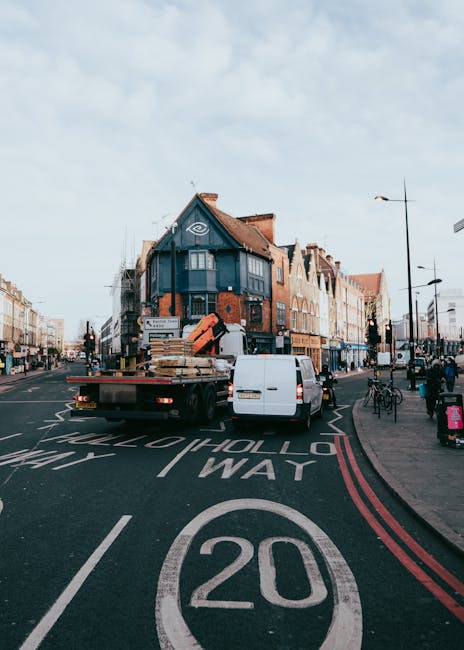
Moving home or office in Stepney can be straightforward on paper, then suddenly get fiddly the moment a van needs to stop outside a terrace, a block, or a busy high street. That is where Stepney Removals Permits: Tower Hamlets Parking & Loading Rules matter most. A good moving plan is not only about boxes, lifting, and timing; it is also about where the vehicle can legally stop, how long it can stay, and whether the loading bay or bay suspension situation has been handled properly.
If you have ever watched a removal team circle the same street twice while everyone starts checking the clock, you will know the feeling. It is tense, slightly embarrassing, and completely avoidable. This guide breaks down the practical side of parking and loading in Stepney, explains the main permit considerations in plain English, and shows how to keep the move moving without unnecessary stress.
Along the way, we will also touch on route planning, risk points, common mistakes, and the little details that can make a big difference on the day. If you are preparing a wider move, it may also help to review removals in Stepney, man with a van support in Stepney, and the practical guidance in our Cable Street route and parking tips.
Quick takeaway: in Tower Hamlets, parking and loading arrangements can matter as much as the move itself. Plan them early, confirm what the vehicle can and cannot do, and keep a backup option in mind. It saves time. It saves money. It also saves your nerves, which, frankly, are in short supply on moving day.
Table of Contents
- Why Stepney Removals Permits: Tower Hamlets Parking & Loading Rules Matters
- How Stepney Removals Permits: Tower Hamlets Parking & Loading Rules Works
- Key Benefits and Practical Advantages
- Who This Is For and When It Makes Sense
- Step-by-Step Guidance
- Expert Tips for Better Results
- Common Mistakes to Avoid
- Tools, Resources and Recommendations
- Law, Compliance, Standards, or Best Practice
- Options, Methods, or Comparison Table
- Case Study or Real-World Example
- Practical Checklist
- Conclusion
- Frequently Asked Questions
Why Stepney Removals Permits: Tower Hamlets Parking & Loading Rules Matters
In Stepney, space is the real currency. Not just inside the property, but outside it too. A removal van that cannot stop close enough to the entrance can add minutes, then half-hours, then a whole extra layer of difficulty. On a narrow street, that can mean longer carries, more risk to furniture, and more chance of blocking residents, cyclists, or traffic.
The parking and loading rules matter because they shape the whole move. If the vehicle is too large for the street layout, if a bay is restricted, or if the loading window is too tight, the team may need to adjust the schedule. That can affect labour time, access planning, and even how carefully fragile items are moved through the building.
There is also a simple fairness angle. Local parking restrictions are there for a reason, and removals should work with the street, not against it. When the plan is realistic, everyone has a better day: the mover, the client, neighbours, and the driver trying not to reverse into a tight corner in the drizzle. That is very London, to be fair.
For properties with awkward access, permits become even more useful. A ground-floor flat on a busier road may need a different approach to a fourth-floor walk-up off a quieter side street. If you are also dealing with stairs, lifts, or bulky furniture, it helps to read our advice on bulky items and stair challenges and access and lift planning for Stepney Green Park moves.
How Stepney Removals Permits: Tower Hamlets Parking & Loading Rules Works
The process is usually less mysterious than people expect. At a practical level, you are trying to secure lawful access for the removal vehicle, ideally as close as possible to the property, and for a period long enough to load or unload safely.
Most moving-day parking questions fall into a few categories:
- Loading only: the vehicle can stop for active loading or unloading, but not for general parking or waiting.
- Permit parking bay use: the vehicle may need a resident, visitor, or controlled parking arrangement to remain in a bay.
- Suspended bays: a bay may need to be kept clear for the move, which is common where long carries or repeat trips would otherwise be impossible.
- Yellow line loading: loading may be allowed in some locations and times, but only within the relevant restrictions and without causing obstruction.
That sounds dry, but the practical meaning is huge. A loading rule that looks generous on paper can be useless if the van cannot physically reach the address. Likewise, a permit that allows parking may not help if it does not cover the exact street, day, or time slot you need.
The safest approach is to work backwards from the property. Start with the actual address, then look at the street layout, curbs, bay markings, access width, and likely carry distance. If you know a van will need to sit outside for an hour or two, plan for that rather than hoping for a miracle. Hope is not a parking strategy.
Key Benefits and Practical Advantages
Handled properly, parking and loading arrangements do more than keep you legal. They can improve the whole move from the first box to the final chair leg.
- Shorter carry distances: closer parking means less lifting, less fatigue, and lower risk of knocks and scrapes.
- Safer handling: a well-placed van makes it easier to protect heavy, awkward, or fragile items.
- More predictable timing: when the vehicle has a proper stopping place, the move is easier to schedule.
- Less stress with neighbours or enforcement: nobody enjoys a tense exchange over blocked access on a busy morning.
- Better efficiency for larger moves: house removals, furniture removals, and office relocations often hinge on parking being sorted first.
There is a quieter benefit too. Good access planning simply makes the day feel calmer. You can hear the boxes being sealed, the tape rolling, someone calling out room labels, and the pace stays steady instead of frantic. If you want to strengthen the packing side as well, expert packing techniques can make loading much smoother.
Who This Is For and When It Makes Sense
This topic is not just for big moving companies. It matters to anyone arranging a vehicle stop in a controlled part of Stepney or wider Tower Hamlets.
Home movers
If you are moving from a flat, maisonette, terraced house, or shared property, the vehicle may need to stop in a tight space and for longer than a quick drop-off. A permit or loading arrangement can make the difference between an easy departure and a frustrating one.
Landlords, agents, and tenants
End-of-tenancy moves often happen under time pressure. Keys need returning, cleaning needs finishing, and the van needs to be out when the next person arrives. Parking mistakes are one of the easiest ways to add unnecessary pressure. If you are tying the move into an end-of-tenancy tidy-up, house cleaning tips for moving day can help keep the sequence sensible.
Students and shared-house occupants
Student moves often involve less furniture but more awkward timing. A single van space may still be essential, especially if lifts, basement access, or narrow frontages are involved. You do not need a giant operation for a permit to matter.
Office and small business moves
For office relocations, timing is often non-negotiable. Deliveries, client access, and staff movement can all be affected if the van cannot stop safely. If that sounds familiar, office removals in Stepney are usually best planned around the parking arrangement first.
Same-day or urgent moves
When the move is rushed, parking is one of the first things to go wrong. If you need a last-minute solution, it helps to explore same-day removals in Stepney and keep a realistic view of what access can be secured at short notice.
Step-by-Step Guidance
Here is a practical way to approach Stepney removal parking and loading without making it more complicated than it needs to be.
- Check the exact move address. Not the general area. The exact building, entrance, and street side matter.
- Study the street conditions. Look for permit bays, single yellow lines, red routes, loading bays, suspensions, and any obvious access pinch points.
- Measure the practical carry distance. If the van cannot get close, think about how many trips and how much time the loading will take.
- Match the vehicle to the street. A larger removal van may be efficient, but it is not always the best fit for a narrow road.
- Allow time for awkward items. Sofas, beds, pianos, wardrobes, and white goods always slow the process down a bit.
- Plan the loading order. Put the heaviest, most awkward items near the door or loading point first, not after everything else is already stacked.
- Build in a backup plan. If the closest stopping point is taken, know where the next legal option is before the van arrives.
- Confirm access with all parties. Tenant, landlord, concierge, building manager, driver, and removal team should all be on the same page. It sounds obvious, but it is often the bit people skip.
A small real-world example: a one-bedroom flat move near a busy Stepney road may look easy at first glance, yet a narrow frontage and limited waiting space can force the crew to park a little further away. That can be fine if the schedule allows it. The issue is not the distance itself; it is the surprise.
If the move involves delicate or high-value furniture, the access plan should also be paired with the right handling approach. Our pages on furniture removals and piano removals are useful starting points for that sort of planning.
Expert Tips for Better Results
These are the practical habits that tend to save the most time in real moves.
- Get the parking plan before the packing frenzy starts. A perfect box label does not help if the van cannot stop nearby.
- Use short, direct carry routes. Move obstacles out of hallways in advance. Shoes, mats, bins, and bikes have a habit of getting in the way at the worst moment.
- Keep bulky items grouped. Large pieces should be staged close together so the loading sequence flows.
- Protect door frames and walls. Tight access is where chips and scuffs appear, usually with annoying speed.
- Expect a little delay. Even well-planned removals can hit the odd wobble. A courier van blocks the road, someone needs the lift, rain starts, whatever. Leave a margin.
- Use the right vehicle size, not just the biggest one. Bigger is not always better in Stepney streets.
- Separate the essentials. Documents, keys, chargers, medication, and a kettle should not be buried under cushions and lamp shades.
Expert summary: the best removal-day parking plan is the one that assumes something minor will go off-script and still keeps the move calm. That is the real trick. Not perfection, just enough flexibility.
If you are packing on your own, a little preparation goes a long way. The advice in decluttering before relocating can reduce the load, and packing and boxes in Stepney may help you stage things more efficiently.
Common Mistakes to Avoid
Most parking problems are not dramatic. They are just small oversights that stack up.
- Assuming loading is automatically allowed. Rules vary by location, time, and marking. Never assume.
- Not checking the exact street side. The same road can have different restrictions on different stretches.
- Leaving permit arrangements too late. Late action narrows your options, especially for busy areas.
- Choosing the van before checking access. Vehicle first, access later is backward thinking.
- Ignoring neighbours and building access rules. Shared entrances, concierge restrictions, and managed blocks can complicate things quickly.
- Underestimating loading time. A sofa looks manageable until it needs to turn in a narrow stairwell.
- Failing to label items by room. That slows down unloading and creates parking pressure because the crew spends longer than expected at the curb.
One more thing. Do not let a "quick move" mentality tempt you into skipping the checks. Quick is lovely. Fines, complaints, and blocked exits are not lovely.
Tools, Resources and Recommendations
You do not need a complicated toolkit, but a few simple items and habits make the whole process easier.
- Printed move plan: keep the address, contact numbers, entry instructions, and timing in one place.
- Floor and room labels: basic labels help the unloading run more smoothly.
- Protective materials: blankets, wraps, tape, and corner protection are useful when access is tight.
- Measuring tape: especially useful for sofas, beds, wardrobes, and fridge-freezers.
- Phone battery and charger: a small detail, but it matters when timing changes or someone needs to be contacted quickly.
For people moving larger or awkward furniture, it can be worth reading a few practical guides first. why piano moves are not an ordinary DIY job, moving a bed and mattress safely, and storing a couch properly all reinforce the same point: good preparation reduces friction on the day.
And if storage is part of the plan, whether temporary or long term, then storage in Stepney may be worth considering so the move can happen in sensible stages.
Law, Compliance, Standards, or Best Practice
Parking and loading for removals in Tower Hamlets should be treated as a compliance issue, not a loose suggestion. The exact requirements can change by street, bay type, signage, and local traffic conditions, so it is safest to follow the rules in force at the time of the move rather than relying on habit or what worked last month.
In practical terms, that means a few things:
- Do not block traffic or access routes. Even a short obstruction can create unnecessary risk.
- Respect bay restrictions and markings. If a space is for residents only, loading only, or subject to suspension, treat it accordingly.
- Keep safety first. A good move is one where people, property, and the street environment are protected.
- Use sensible handling methods. Lift properly, communicate clearly, and do not rush heavy items through tight gaps.
For a removals business, best practice also includes clear terms, proper insurance, and a visible health and safety approach. If you want to review those standards before booking, the site pages on insurance and safety, health and safety policy, and terms and conditions are useful reassurance points.
That careful approach is especially important for tighter moves near busy roads or narrow residential streets. A calm, compliant stop is almost always better than a risky one that saves thirty seconds and creates a headache later.
Options, Methods, or Comparison Table
When planning parking and loading for a Stepney move, you usually end up choosing between a few practical approaches. The best choice depends on the street, the size of the job, and how much access you can realistically secure.
| Approach | Best For | Pros | Watch Outs |
|---|---|---|---|
| Closest legal stopping point | Most home removals and furniture moves | Short carry, efficient loading, less fatigue | May require advance planning or exact timing |
| Controlled loading bay | Busy streets and time-sensitive moves | Predictable access, often easier for loaders | May be time-limited or already in demand |
| Permit-based parking | Longer jobs or items loaded in stages | Useful for slower, more complex moves | Requires correct permissions and careful timing |
| Further-away legal parking with longer carry | Very tight streets or unavailable bays | Flexible when space is scarce | Slower, more physical, and less ideal for heavy furniture |
In plain terms, the closest legal option is usually the best option. But sometimes it is not available, and the trick is to adapt without letting the move unravel. That is why experienced crews tend to plan more than one stopping point, not just the one they hope for.
Case Study or Real-World Example
Here is a realistic local example. A family moving from a Stepney flat on a fairly busy road expected to load from directly outside the building. On arrival, the frontage was narrower than they had imagined, and a neighbouring delivery van had already taken the most convenient part of the curb. Not ideal.
Because the move had been planned sensibly, the crew had a second legal stopping point in mind and had already sorted the larger items by sequence. The sofa went first, then the bed frames, then the boxes. The carry was a bit longer than expected, yes, but the move stayed orderly. No panic. No shouting across the pavement. And no last-minute scramble to fit a wardrobe through a space it was never going to fit through.
What made the difference was not luck. It was planning.
The household had also already decluttered, which helped a lot. If you are in that stage yourself, the advice in decluttering before relocating is genuinely useful. They also had a clear unloading destination for a couple of items that were not going straight into the new property, which made bulky waste handling in Stepney a useful consideration rather than an afterthought.
Small moment, but it mattered: by late afternoon, the team could hear the soft clatter of the final boxes landing in the correct rooms, the van door closing, and the street settling back down. That is the aim. A move that feels busy, but not chaotic.
Practical Checklist
Use this as a quick pre-move run-through. It is simple, but that is the point.
- Confirm the exact move address and entrance point.
- Check whether the street has permit parking, loading bays, yellow lines, or suspensions.
- Allow for van size and turning space, not just the address itself.
- Plan the closest legal stopping point and a backup option.
- Estimate carry distance from vehicle to doorway.
- Label the largest or heaviest items first.
- Separate essential documents, keys, and valuables.
- Make sure the loading route inside the property is clear.
- Check lift access, stair width, and any concierge or building rules.
- Review the timing so parking restrictions will not clash with the loading window.
- Keep contact details handy for anyone involved in access.
- Build in a little time buffer for surprises.
One-line reminder: if the parking plan feels vague, it probably is.
For additional support with the actual move logistics, removal services in Stepney can help connect the access plan to the rest of the day. If you are comparing options, you may also want to browse removal companies in Stepney and the wider services overview.
Conclusion
Stepney removals are rarely difficult because of the lifting alone. They become difficult when access, parking, and loading rules are left to chance. Once you understand the basics of Tower Hamlets parking conditions and plan your stopping point properly, the move becomes far more predictable and far less stressful.
The best moves usually look boring from the outside. That is a compliment. The van arrives where it should, the loading starts on time, the furniture is protected, and nobody spends the morning arguing with a bay sign or pacing up and down the pavement. That calm, practical flow is what good planning gives you.
If you are preparing a move in Stepney and want a smoother, safer day, take the time to sort the parking and loading details first. The rest tends to fall into place once that part is handled.
Get a free quote today and see how much you can save.
Frequently Asked Questions
Do I need a permit for a removals van in Stepney?
Not always, but you should never assume you can simply stop anywhere. Whether you need a permit depends on the street rules, the type of bay, the time of day, and how long the van needs to stay in place. It is worth checking the exact location before moving day.
Can a removals van load on double yellow lines in Tower Hamlets?
Sometimes loading may be permitted in some circumstances, but only if the specific restrictions and conditions allow it. This is one of those areas where a quick assumption can go wrong. The safest approach is to check the street rules for the exact spot and time.
How far in advance should I sort parking for a Stepney move?
As early as possible. For simple moves, a few days may be enough to organise the plan. For busier streets, larger vehicles, or controlled bays, it is better to think ahead sooner rather than later. Late planning can box you into poor options.
What happens if the van cannot park close to the property?
The move usually takes longer because the carry distance increases. That can affect labour time, item handling, and how many trips the team needs to make. It is manageable, but it is not ideal for heavy or fragile furniture.
Are loading bays better than permit parking for removals?
Usually, yes, if the bay is available and suitable for your timing. Loading bays are often more convenient because they are designed for short-term use. But if the bay is occupied or time-limited, a permit-based option may be the better fallback.
Do smaller moves still need parking planning?
Absolutely. A student move with just a few items can still be affected by tight access, a busy road, or a shared building entrance. The amount of furniture matters less than the street layout in some cases.
How do I know if my road is too narrow for a removal van?
The simplest clue is whether cars already struggle to pass each other or whether larger vans often avoid the street. If in doubt, factor in turning space, loading distance, and where the van would actually stop. A short, careful assessment is far better than guessing.
Can a removal team help with parking and loading planning?
Yes, a good team should be able to advise on practical access issues and help you think through vehicle size, stopping points, and timing. If you are booking support, ask early so the plan is built into the move rather than patched on later.
What should I do if a bay is suspended near my move date?
Check the alternative stopping options before the day arrives. A suspended bay can affect where the vehicle can legally wait or load, so it is wise to have another plan ready. It is one of the most common reasons a "simple" move suddenly needs a rethink.
Is it worth booking a bigger van to save trips?
Not automatically. A larger van can reduce trips, but it can also be harder to park and manoeuvre in Stepney streets. The right size is the one that balances loading efficiency with realistic access.
What is the biggest mistake people make with removals permits in Stepney?
Leaving it too late and assuming the street will work itself out. That is usually where trouble starts. A solid access plan, checked early, is much more reliable than trying to improvise on the morning.
Should I worry about parking rules for office removals too?
Yes, often even more so. Office moves can involve tighter timing, more equipment, and less flexibility around access. For that reason, parking and loading details should be part of the initial move plan, not something handled as an afterthought.
Finally, if you want a move that feels organised rather than rushed, keep the access plan simple, realistic, and checked twice. That little bit of care makes a bigger difference than people expect.