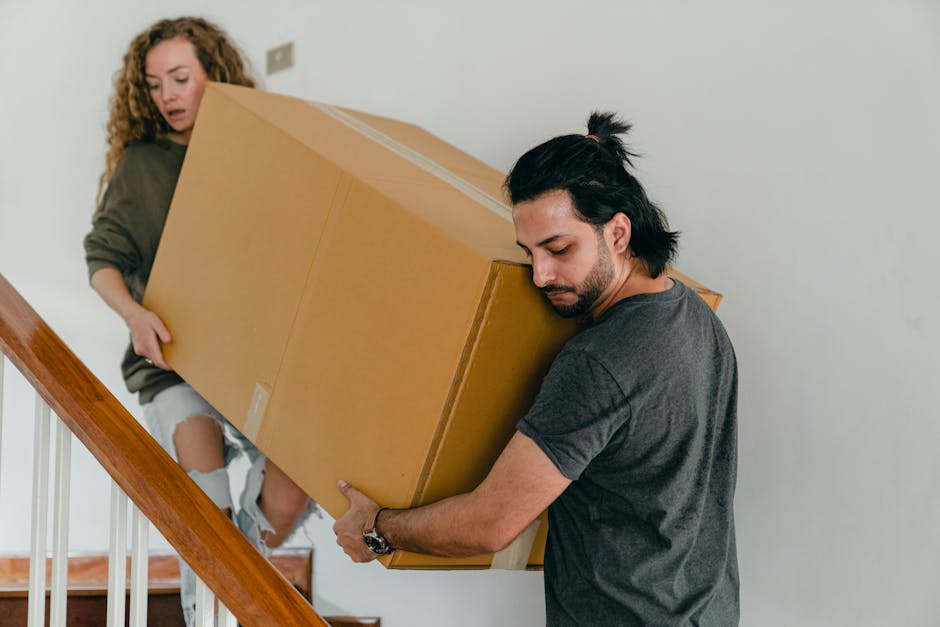
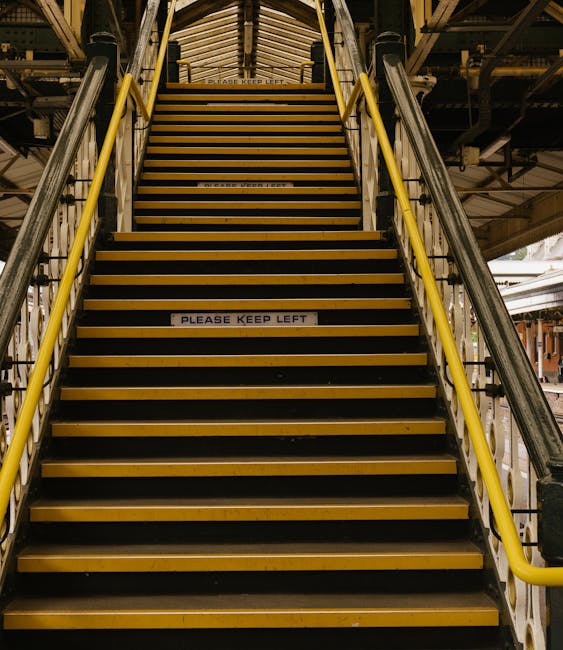
Stepney Stair Challenges -- Strategies for Bulky Items
Anyone who has tried to carry a sofa, a wardrobe, or even a heavy mattress up a tight stairwell in Stepney knows the feeling: the item looks manageable in the room, then the staircase suddenly makes it feel twice the size. That is the heart of Stepney Stair Challenges -- Strategies for Bulky Items. It is not just about lifting. It is about planning the route, protecting the property, staying safe, and knowing when a job needs more than a couple of willing hands. Truth be told, a move can go wrong in seconds if the stairs, corners, or landings are not respected.
This guide breaks the problem down in plain English. You will learn how stair challenges work, what makes bulky items awkward in Stepney homes, and the practical strategies that reduce risk and stress. We will also look at tools, best practice, common mistakes, and the point where it makes sense to call in experienced help. If you are preparing a flat move, a house move, or a one-off heavy item relocation, this article will give you a much clearer way forward.
Why Stepney Stair Challenges -- Strategies for Bulky Items Matters
Stepney has the kind of housing stock that can turn a straightforward lift into a puzzle. Narrow hallways, awkward turns, shared entrances, basement access, and upper-floor flats all change how a bulky item behaves on the move. A bed frame that looked fine in the living room may snag on a landing. A fridge may fit through the door but refuse to clear the banister. And once the item is halfway up, you cannot simply shrug and try again without consequences.
This matters for three reasons. First, safety: lifting heavy objects on stairs is one of those jobs where the risk rises quickly with fatigue, poor grip, or poor coordination. Second, property protection: scuffed walls, chipped woodwork, cracked tiles, and damaged banisters are common when people rush. Third, efficiency: a badly planned move takes longer, costs more in time and stress, and often needs a second attempt. Nobody wants that on a rainy Tuesday evening when the hallway is already crowded with boxes.
There is also a practical local side to it. In Stepney, stairwell access often interacts with parking, loading, and timing. A bulky item may be easy to move once it reaches the pavement, but getting it safely down the stairs in the first place is the real challenge. That is why experienced movers and careful DIY movers alike spend time on route planning before any actual lifting begins. If you are also dealing with a full property move, it helps to read a peaceful house move guide and decluttering tips before relocating so the bulky items do not arrive as a last-minute panic.
Expert summary: the safest stair move is rarely the strongest one. It is usually the most prepared one.
How Stepney Stair Challenges -- Strategies for Bulky Items Works
The basic principle is simple: reduce resistance, reduce risk, and reduce surprises. Bulky items become manageable when you break the job into stages rather than thinking of it as one big lift. That means measuring, clearing, protecting, and then moving in controlled steps. The stairwell is treated as a work route, not just a passageway.
Here is the usual logic behind a good stair strategy. First, identify the item's dimensions, weight, balance point, and any removable parts. Second, inspect the staircase for pinch points such as light fittings, low ceilings, tight corners, radiators, or bannisters. Third, decide whether the item should move upright, on an angle, or partly rotated. The shape of the object matters almost as much as the weight. A bulky but light wardrobe can be trickier than a denser item that stays balanced.
For especially awkward objects, the team may use carry straps, sliders, blankets, and simple communication cues to keep the movement stable. You will often hear calls like "steady," "pause," or "rotate" because clear instructions stop people from making sudden movements. Small thing, but it makes a huge difference. In our experience, the biggest improvement comes from slowing down at the points where people usually hurry: the first step, the landing, and the final turn. If the item is awkward and you are unsure how to handle it, the advice in lifting heavy objects safely and kinetic lifting techniques is worth a careful read.
One more thing: stair challenges are not just about lifting up. Moving something down stairs can be harder, because gravity is doing part of the work and the item can get away from you much faster. That is why controlled descent and good footing matter so much.
Key Benefits and Practical Advantages
Using a structured approach to Stepney stair challenges brings a stack of practical gains, and not all of them are obvious at first glance.
- Less physical strain: better lifting angles and fewer emergency twists reduce unnecessary stress on your back, shoulders, and wrists.
- Lower risk of damage: door frames, stair walls, and item surfaces are better protected when the move is planned.
- Faster execution: once the route is checked and the item is prepped, the move usually goes more smoothly.
- Better teamwork: clear roles mean fewer awkward pauses and less shouting up the stairs.
- More confidence: when the job is broken into steps, it feels less like a disaster waiting to happen.
There is also a financial upside, even if it is indirect. A careful move can help avoid repair costs from scratched flooring or broken fittings. It can also prevent needing to replace an item damaged in transit. That part is easy to overlook until the corner of a sofa meets the wall with that horrible dull thud. You know the sound. No one likes that sound.
For furniture-specific guidance, the article on furniture removals in Stepney is a useful companion, especially if your bulky item is part of a wider room clear-out or home relocation.
Who This Is For and When It Makes Sense
This approach is useful for homeowners, renters, students, landlords, office managers, and anyone who needs to move something large through a staircase in a real London property. It is particularly relevant if you live in a flat, a converted house, an older terrace, or a building with narrow stairs and tight corners. Stepney has plenty of those, and let's face it, they rarely give you much spare room to breathe.
You may need a proper stair strategy if you are moving any of the following:
- sofas and corner units
- beds, headboards, and mattresses
- wardrobes and chest of drawers
- fridges, freezers, and washing machines
- pianos or other heavy instruments
- office furniture and filing cabinets
- TV units, bookcases, and display cabinets
It also makes sense when time is tight. If an item must be removed quickly because of a tenancy deadline, handover, or same-day collection, stair planning becomes even more important. In these cases, it may be better to read about same-day removals in Stepney or check the practical advice in the urgent move checklist before you start improvising.
For some people, DIY is fine. For others, it is just not worth the strain. A piano, for example, is a different beast entirely, which is why moving a piano is not an average DIY task is such a sensible read before anyone tries to muscle through.
Step-by-Step Guidance
1. Measure the item and the staircase
Start with the basics. Measure the item's height, width, depth, and any protruding parts like handles, feet, or removable arms. Then measure the stair width, landing depth, ceiling clearance, and door openings. Do not eyeball it. Measurements that are "roughly fine" are how people end up turning a simple move into a very awkward one.
2. Clear the route completely
Remove mats, shoes, coats, boxes, and anything else that could catch a foot or block a turn. If the property is busy, someone should manage the corridor so nobody appears at the worst moment carrying hot tea or a bundle of laundry. A clear path is basic, but it changes the whole feel of the move.
3. Protect walls, corners, and floors
Use blankets, corner protectors, or temporary padding where the item may brush against the structure. Stair corners are especially vulnerable. A tiny scrape can become a much bigger repair job if a bulky item swings unexpectedly. You are not trying to make the stairwell look fancy; you are trying to prevent avoidable damage.
4. Strip the item down if possible
Remove shelves, cushions, legs, drawers, loose doors, and anything else that adds bulk or shifts weight. Smaller parts should be labelled and packed separately. If you have ever tried to move a sofa with the feet still attached, well, you already know how that usually ends.
5. Agree on the lifting plan before anyone moves
Decide who will lead, who will guide, and who will support the rear or lower edge. Agree on verbal cues. Say exactly when to stop, rotate, or lift. This is especially important on stairs because one person guessing the next move is how people lose rhythm.
6. Use the correct carry angle
Some items work best upright, some on a slight tilt, and others with one end raised higher than the other. The right angle depends on the shape, the stair pitch, and the landing space. If you are unsure, test a very small section of the route before committing fully. A short pause is far better than a full reversal halfway up.
7. Move slowly at turning points
Landings, sharp turns, and low ceilings are where bulky items become properly awkward. Take your time there. Small corrections are easier than big corrections. If the item needs a pivot, the pivot should be planned, not improvised in a fluster.
8. Reassess before the final placement
Once the item reaches the room, do not rush to drop it in place. Check the floor, clear the final path, and make sure the item can be set down safely. A controlled landing is part of the job, not the end of it.
Expert Tips for Better Results
Little details make a surprisingly big difference. Here are the sorts of things experienced movers keep in mind without even thinking about it.
- Wear proper footwear. Flat, grippy shoes beat slippers and trainers with poor traction.
- Keep hands dry and clear. If you are handling straps or smooth surfaces, sweat and dust make grip less reliable.
- Take the item apart sooner rather than later. People often leave dismantling until they are already tired. Bad idea.
- Use two people for items that feel "almost manageable." That almost is where strain tends to happen.
- Plan for rest points. A controlled pause on a landing is normal. Breathing room matters.
- Protect the item as well as the building. Upholstery, corners, and appliance doors are easy to scuff.
If the item is a sofa or couch, the extra time spent on wrapping and positioning is well worth it. See storage tips for a couch for ideas that also help when preparing a bulky sofa for movement. For beds and mattresses, the advice in the bed and mattress moving guide can save you from the usual drag-and-scrape routine.
If you are working with appliances, especially a freezer, keep in mind that preparation goes beyond lifting. Defrosting, drying, and securing parts can matter just as much as the move itself. That is why freezer storage advice is useful if the item will not go straight back into service.
Common Mistakes to Avoid
Most stair moving problems are not mysterious. They come from a handful of repeat mistakes, and once you spot them, they become pretty easy to avoid.
- Skipping measurements: "It should fit" is not a plan.
- Trying to do everything alone: some items simply need two or more people.
- Rushing the landing turn: that is where damage often happens.
- Ignoring the weight shift: bulky items can become unbalanced as soon as one end lifts higher.
- Not removing detachable parts: extra bulk steals room and stability.
- Forgetting to protect the route: damage to the property is usually avoidable.
- Overestimating stamina: the item feels heavier on the second trip. Usually because it is.
One more trap: assuming that a narrow stairwell means the item cannot move at all. Often, it can, but only after a better plan, a different angle, or a partial dismantle. Sometimes the fix is simple. Sometimes it is not. But it is worth checking before giving up or forcing it.
Tools, Resources and Recommendations
You do not need an entire warehouse of specialist gear to move bulky items safely. A sensible handful of tools is usually enough.
| Tool or Resource | What it Helps With | Best Used For |
|---|---|---|
| Furniture blankets | Surface protection and softening contact points | Sofas, wardrobes, cabinets |
| Carry straps | Better grip and shared load control | Large, dense, or awkward objects |
| Gloves with grip | Improving hold and reducing slipping | General stair moving |
| Measuring tape | Checking fit before lifting | Any bulky item |
| Furniture sliders | Reducing friction on flat surfaces | Pre-stair positioning |
| Protective padding | Shielding corners and walls | Stair turns and landings |
Sometimes the best resource is simply a better plan. If you are still at the planning stage, the packing advice in expert packing techniques and the decluttering guide at essential steps for decluttering before relocating can reduce the number of bulky items you need to deal with in the first place.
For broader moving support, you may also want to look at man and van services in Stepney, removal van options, or general removal services if the stair challenge is part of a larger move. If storage is a better temporary answer, storage in Stepney may take the pressure off.
Law, Compliance, Standards, or Best Practice
For most household moves, there is no special legal rule that says how a sofa must be carried up a staircase. But there are still practical UK best-practice expectations around safety, manual handling, and property care. In plain terms: if a task involves lifting, twisting, carrying, or moving a heavy object, it should be planned in a way that reduces injury risk. That is just common sense, but it is also the standard way responsible movers work.
Good practice usually includes:
- checking the weight and shape before the move
- using enough people for the load
- keeping access routes clear
- avoiding sudden twisting while carrying
- wearing suitable footwear and gloves where helpful
- stopping if the item becomes unstable or visibility is poor
If a move takes place in a shared building, there is also a courtesy and access element. Respect for neighbours, common parts, and entry routes matters. Stairwells should not be blocked longer than necessary, and any damage should be addressed quickly. If you are working under time pressure or in a managed building, it can be worth reviewing the practical guidance in insurance and safety and the company's health and safety policy so expectations are clear before moving day arrives.
Also, if you are comparing providers, there is no harm in checking the basics on terms and conditions, payment and security, and privacy policy. Not glamorous, I know, but sensible. A good move is not just about muscle; it is about confidence in the process.
Options, Methods, or Comparison Table
Different bulky items call for different approaches. Here is a simple comparison to help you judge what is likely to work best.
| Method | Best For | Pros | Limitations |
|---|---|---|---|
| Two-person manual carry | Moderately bulky furniture | Simple, flexible, low equipment needs | Still physically demanding; poor for very tight stairs |
| Carry straps and padding | Heavy, awkward household items | Better control, less hand strain | Needs coordination and practice |
| Dismantling before the move | Wardrobes, beds, some sofas | Reduces size and weight immediately | Requires time, tools, and care with fixings |
| Professional removal support | Very heavy or high-risk items | Less stress, more expertise, better protection | Higher cost than pure DIY |
| Temporary storage first | Moves with timing gaps | Prevents rushed handling | Does not solve the lifting problem by itself |
For a bulky item that looks borderline, professional help is often the most economical choice once you factor in potential damage, delays, and the risk of injury. The cheapest option on paper is not always the cheapest in real life. Stepney staircases can be unforgiving like that.
Case Study or Real-World Example
A typical Stepney scenario goes like this. A renter on an upper floor needs to move a large sofa, a bed frame, and a fridge-freezer out before the end of the tenancy. The stairs are narrow, the landing has a tight turn, and the building entrance is shared with neighbours. The first instinct is to "just get it out," but that usually leads to dragging, pausing, and everyone getting a bit more stressed than they should.
In a better version of the same move, the sofa is wrapped and measured first. The feet are removed. The fridge-freezer is emptied, dried, and secured. The bed frame is dismantled fully, with fixings bagged and labelled. The stair route is cleared. One person guides from above, one supports from below, and one keeps the landing clear. Instead of forcing the sofa around the corner, the team rotates it slowly, then pauses before the last descent. Not exciting, admittedly. But that calm, measured approach is what keeps walls intact and backs from complaining the next morning.
This is where the wider moving plan matters too. If the household is being cleared from top to bottom, it helps to bring in support from services like house removals in Stepney or, for smaller homes, flat removals in Stepney. If the move involves a student property, student removals may be a better fit. Each job is different, and the staircase often decides how much handling you need.
Practical Checklist
Use this before moving any bulky item on stairs.
- Measure the item and the staircase
- Check whether parts can be removed
- Clear the route from room to exit
- Protect walls, corners, and floors
- Agree who leads and who follows
- Wear grippy shoes and suitable gloves
- Use blankets, straps, or sliders where appropriate
- Test turns and landings before committing fully
- Take breaks before anyone gets exhausted
- Stop if the item becomes unstable or unsafe
- Plan what happens once the item reaches the van or storage point
If you are also sorting unwanted bulky furniture or old items, the guide on bulky waste van removal solutions may help you separate what should move, what should be stored, and what should go. That little decision can save a lot of stair work.
Conclusion
Stepney stair challenges are rarely about strength alone. They are about fit, timing, balance, and the discipline to slow down at exactly the right moments. Once you plan for bulky items properly, the staircase stops feeling like an obstacle and starts becoming just another part of the route. Still awkward, sure. But manageable.
The best strategy is usually the simplest one: measure carefully, clear the way, protect the building, use the right handling method, and ask for help before strain turns into damage or injury. That is the real difference between a stressful move and a controlled one. And if the item is especially difficult, there is no shame in choosing experienced support. Sometimes that is the sensible move, full stop.
If you want practical help, clearer planning, or a more straightforward move, start by reviewing the service information and getting the details lined up early. Small prep now can save a very long afternoon later.
Get a free quote today and see how much you can save.
Frequently Asked Questions
How do you move a bulky item up narrow stairs in Stepney?
Measure everything first, remove detachable parts, protect the staircase, and use a two-person or multi-person carry with clear instructions. If the item still feels awkward, slow down and reassess the angle rather than forcing it.
What bulky items are hardest to move on stairs?
Sofas, wardrobes, fridges, mattresses, and pianos are usually the biggest challenge because they are large, awkward, or difficult to balance. Stair width and landing space often matter more than raw weight.
Is it safer to move bulky items up or down stairs?
Downstairs moves are often trickier because gravity works against you and the item can accelerate quickly. Both directions need care, but descending usually demands extra control.
Should I dismantle furniture before moving it?
Yes, if it can be dismantled safely. Removing legs, shelves, doors, or drawers can make a huge difference. Just keep the fixings together and label parts clearly so reassembly is not a headache.
What tools help with stair moves the most?
Furniture blankets, carry straps, gloves with grip, protective padding, and a measuring tape are the most useful basics. For some items, sliders also help get the object into the right position before the stair carry starts.
Can one person move a bulky item on stairs?
Sometimes, but only for smaller heavy objects and only if the route is simple. For most bulky items, one person alone is not the safest choice. A second set of hands makes the move more stable and usually faster.
What should I do if a sofa will not turn on the landing?
Pause, lower the item safely if possible, and check whether the angle needs adjusting or parts need to come off. Never force a turn just because you are already halfway through. That is where walls and backs start losing.
How can I avoid damaging walls or banisters?
Pad the route, move slowly at corners, and keep one person focused on guiding clearances. It also helps to remove anything loose from the item, because swinging parts are often what cause accidental scrapes.
Do I need professional help for every bulky item?
No. Plenty of items can be moved safely with good planning and enough people. But if the staircase is especially tight, the item is unusually heavy, or the building access is awkward, professional support is often worth it.
How far in advance should I plan a bulky item move?
Ideally at least a few days before the move, longer if the item needs dismantling, storage, or specialist handling. Last-minute planning tends to lead to rushed lifting and more stress than necessary.
What if the item is too big for the stairs entirely?
Then you may need to dismantle it further, use an alternative access route, or choose a different solution such as storage, collection, or specialist removal support. Forcing it through a stairwell that is plainly too small is rarely worth the risk.
Can bulky items be stored temporarily instead of moved immediately?
Yes, and sometimes that is the calmer option, especially if access, timing, or room layout is not ready yet. Temporary storage can give you breathing room to plan the move properly instead of rushing on the day.