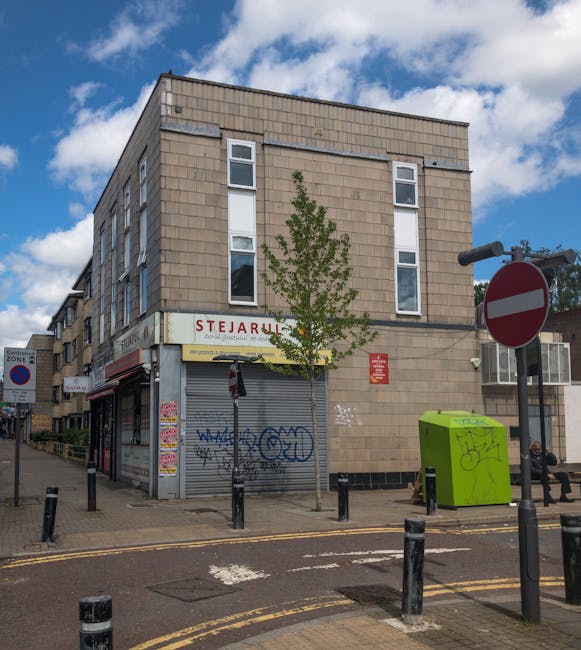
Narrow-Lane Removals for E1 Stepney Homes: A Practical Guide to Moving Safely in Tight Spaces
If you live in Stepney, you probably already know the streets can feel lively, compact, and a bit unforgiving for anything larger than a shopping trolley. That is exactly why Narrow-Lane Removals for E1 Stepney Homes need a different approach from a standard move. The challenge is not just getting items from A to B. It is planning access, protecting property, keeping neighbours happy, and making sure bulky furniture survives the journey without a scuffed wall or a strained back.
This guide breaks down how narrow-lane moving actually works, who it suits, what can go wrong, and how to make the whole process smoother. You will also find a practical checklist, a realistic example, and useful links to supporting services like house removals in Stepney, flat moving help for local homes, and packing and boxes support if you want the move handled with less stress. Truth be told, that extra planning makes a big difference in narrow streets.
Table of Contents
- Why Narrow-Lane Removals for E1 Stepney Homes Matters
- How Narrow-Lane Removals for E1 Stepney Homes Works
- Key Benefits and Practical Advantages
- Who This Is For and When It Makes Sense
- Step-by-Step Guidance
- Expert Tips for Better Results
- Common Mistakes to Avoid
- Tools, Resources and Recommendations
- Law, Compliance, Standards, or Best Practice
- Options, Methods, or Comparison Table
- Case Study or Real-World Example
- Practical Checklist
- Conclusion
- Frequently Asked Questions
Why Narrow-Lane Removals for E1 Stepney Homes Matters
Stepney has plenty of homes where access is the real issue, not the packing. Narrow streets, parked cars, shared entrances, basement levels, top-floor flats, awkward turns, and short loading spaces can all turn a routine move into a logistical puzzle. And if you have ever tried to carry a wardrobe round a tight landing, you will know the feeling. One wrong angle and the whole plan stalls.
This matters because poor access planning can lead to delays, accidental damage, blocked pathways, frustrated neighbours, and unnecessary costs. In older East London properties, doorways and stairwells may be tighter than modern furniture dimensions. Even a sofa that looked manageable in the lounge can suddenly become awkward when you reach the communal stairwell. That is not anyone's idea of fun, especially on moving day when the kettle is in a box somewhere and nobody can find the mugs.
Narrow-lane moves also affect timing. A van may need to stop further away than usual. That means more carrying, more hands, and better route planning. If your move involves a piano, a large mattress, a heavy freezer, or a bulky corner sofa, a specialist approach becomes even more valuable. For those situations, it can help to look at related services such as furniture removals in Stepney or piano removals Stepney so the right lifting and transport method is used from the start.
Key point: narrow-lane removals are less about brute strength and more about preparation, positioning, and sensible sequencing. That is what keeps the move calm, efficient, and much less likely to go sideways.
How Narrow-Lane Removals for E1 Stepney Homes Works
The process starts with access, not boxes. A good mover will want to know the width of the road, where the van can park, whether there are restrictions, whether the property has stairs or lifts, and how far items must be carried. It sounds small, but these details shape the whole plan.
Typically, a narrow-lane move in Stepney is handled in stages:
- Initial assessment - The mover checks access details, item list, and any awkward pieces.
- Planning the load - Items are grouped by size, fragility, and loading order.
- Protective packing - Corners, glass, mattress fabric, and surfaces are wrapped or boxed properly.
- Controlled loading - The van is packed with the heaviest and most stable items positioned first.
- Short-carry movement - If the van cannot park directly outside, items are carried along the lane carefully and in a sequence that avoids clutter.
- Unloading and placement - Items are brought in room by room so the space stays organised.
That may sound straightforward, but the small decisions matter. For example, if a street is too tight for a standard stopping point, it may be better to use a smaller vehicle or a man with a van in Stepney style service rather than a larger removal lorry. Sometimes the smartest move is the one that looks less dramatic on paper.
Good communication also makes a real difference. If you tell the team about access codes, shared entrances, fragile items, or a narrow stairwell before moving day, they can bring the right kit and avoid guesswork. That alone can shave a lot of stress off the day.
Key Benefits and Practical Advantages
Narrow-lane removals are not just about fitting through a tight street. They offer practical benefits that can make the whole move feel more manageable.
- Less risk of damage - Careful planning reduces knocks to walls, doors, and furniture.
- Better time control - Clear access planning helps the move run to schedule.
- Smarter vehicle choice - The right van size reduces parking headaches and avoids unnecessary back-and-forth.
- Less lifting strain - A tighter route can be managed with the right equipment and team setup.
- Improved neighbour relations - Efficient loading keeps pavements and entrances clear for shorter periods.
- More confidence on moving day - When you know the plan, everything feels less chaotic.
There is also the quiet benefit people often miss: a better start in the new home. If the move is organised properly, you arrive with less friction, fewer missing items, and a lot less feeling of having been flattened by the day. Not dramatic. Just sensible. And often, sensible wins.
If you are comparing broader support options, the wider removal services in Stepney page can help you understand how narrow-lane access fits within a full moving plan, especially if storage, packing, or same-day timing is also involved.
Who This Is For and When It Makes Sense
This type of move is especially useful for people living in terraces, older conversions, maisonettes, upper-floor flats, or properties on streets where parking is limited and turning space is scarce. In Stepney, that is a fair number of homes, to be honest.
You are likely to need narrow-lane moving support if any of these sound familiar:
- Your road is too narrow for a large van to park directly outside.
- You live on a street with constant resident or permit parking.
- Your home has a long internal carry route, stairs, or a tight hallway.
- You own large furniture that cannot be dismantled easily.
- You are moving on a weekend or busy weekday when access is tighter than usual.
- You need a quick turnaround for a tenancy change or completion date.
It also makes sense if you are moving from or into a flat and want the route handled professionally. A dedicated flat removals Stepney service can be a better fit than a general DIY approach, because it takes building access and awkward stairwells into account from the outset.
Students, first-time tenants, families, and downsizers all benefit in different ways. A student may simply need reliable transport and a bit of loading help. A family may need a more structured packing and room-by-room plan. A downsizer may need storage or furniture sorting before the move even begins. Different situations, same underlying issue: access is everything.
Step-by-Step Guidance
If you want a moving day that feels under control rather than scrambled, use this simple approach.
1. Measure the route, not just the furniture
Check doors, stair turns, lift dimensions, hallway width, kerb space, and any awkward corners. Measure the sofa if you need to, but also measure the path it has to travel. That is the bit people forget.
2. List the difficult items early
Make a note of anything that is heavy, fragile, oversized, or awkwardly shaped. Beds, wardrobes, mirrors, freezers, desks, and pianos often need extra handling. If a piece needs dismantling, say so early.
3. Sort what is moving and what is not
Declutter before the move. It saves space, time, and money. If you need help with that stage, the advice in essential steps for decluttering before relocating is worth a look.
4. Pack by access, not just by room
Pack the items you will need first in an easy-to-reach load order. Keep essentials separate. Label boxes clearly. A bit of structure here saves a lot of rummaging later.
5. Confirm parking and timing
Check where the van can stop, whether there are time restrictions, and whether any permits or building rules apply. A five-minute parking mistake can turn into a very long afternoon.
6. Prepare the property
Protect floors, remove trip hazards, prop doors open where safe, and keep pathways clear. If the weather is wet, expect muddy shoes and make sure the entry point can cope. London rain has no shame.
7. Load in the right order
Heavy and solid items usually go in first, with fragile items secured around them. Good loading keeps the van stable and makes unloading easier. A badly packed van is a headache waiting to happen.
8. Finish with a clean handover
Before leaving, check rooms, cupboards, loft access, and behind doors. If you are moving out of a rental, a tidy finish can help with the final inspection too. The article on house cleaning tips for moving out can be useful at this stage.
Expert Tips for Better Results
Experience shows that the best narrow-lane moves are usually the ones with a calm, slightly boring plan. Boring is good here.
- Use the smallest practical vehicle. A smaller van may be easier to position and quicker to load in tight streets.
- Disassemble bulky furniture where possible. A wardrobe in pieces is much easier to manage than one solid block of regret.
- Protect corners and edges properly. Hallway scuffs often come from rushing, not from the item itself.
- Leave a clear staging area. Even a tiny patch of open space near the entrance helps the team work faster.
- Keep essentials separate. Phone chargers, keys, documents, medication, and tea bags should not disappear into the main stack.
- Plan for the return trip. If the van must shuttle because the lane is too tight, build that into the timeline.
- Ask about lifting methods. Safe handling matters, especially for awkward loads. The practical advice in lifting heavy objects safely and kinetic lifting techniques can help you understand why posture and grip matter so much.
If you have a sofa, for instance, angle it before the doorway rather than trying to force it straight through. That sounds obvious after the fact. During the move, though, people sometimes panic and push. That rarely ends well.
And if you are dealing with a bed, read up on safe bed and mattress moving guidance before you start. Mattresses are awkward in narrow streets because they catch wind, doors, and everything else on the way past.
Common Mistakes to Avoid
A lot of moving problems in Stepney are not dramatic. They are small planning errors that stack up.
- Assuming the van can stop right outside. Always check the street first.
- Underestimating stairways and tight bends. A measure taken from the room centre tells you very little.
- Leaving packing until the last night. That is how fragile items get wrapped in panic, which is never ideal.
- Ignoring building rules. Some flats and estates have loading instructions that matter more than people realise.
- Not separating fragile and heavy items. Mixed loads create avoidable risk.
- Trying to move everything yourself. The DIY spirit is admirable, but let's face it, a piano down a narrow landing is not the moment for optimism.
- Forgetting insurance and responsibility details. You should know what is covered and what is not before anything moves.
Another common mistake is not checking whether items need storage between properties. If the old place is ready before the new one, or the keys are delayed, a short-term storage plan can save the day. The storage options in Stepney page is a sensible starting point when there is a gap in timing.
Tools, Resources and Recommendations
The right tools do not just make the job easier; they protect your home and the people doing the lifting.
| Tool or Resource | Why It Helps | Best Used For |
|---|---|---|
| Furniture blankets | Protect surfaces and door frames from scuffs | Sofas, tables, cabinets |
| Straps and harnesses | Improve grip and control on awkward loads | Fridges, wardrobes, heavy boxes |
| Wheel trolleys | Reduce strain during short carries | Boxes, appliances, stacked items |
| Mattress covers | Keep fabric clean in tight or damp conditions | Beds and mattresses |
| Strong tape and labels | Keep packing organised and readable | Everyday boxes and room labelling |
| Small van or man-and-van setup | Easier to position in narrow roads | Access-limited E1 streets |
If you are not sure which setup is right for your home, the service overview at removal services overview can help you compare the moving options more clearly. And if you are still in planning mode, a look at man and van Stepney may be useful for smaller or more flexible moves.
For packing, sensible boxes matter more than people think. Cheap, weak boxes split at the worst possible moment, usually on stairs. That is one of those tiny disasters that feels absurd and annoying at the same time. A good box really is worth it.
Law, Compliance, Standards, or Best Practice
For removals in London, the main concern is usually not a special law for narrow lanes, but the practical duty to move safely, respect local access rules, and avoid obstruction or damage. In everyday terms, that means careful parking, sensible loading, and good communication with the customer and, where needed, the building management or local authority.
Best practice usually includes:
- checking access before moving day
- using appropriate lifting and handling methods
- protecting floors, walls, and communal areas
- keeping walkways clear
- observing parking restrictions and site rules
- making sure insurance and terms are understood in advance
It is also wise to use a provider that has clear policies around safety, complaints, and service expectations. If you want more detail, the site's insurance and safety information, health and safety policy, and terms and conditions pages are useful trust-building reads before you book. That kind of transparency matters. You should know who is doing what, and how they work.
For people who value responsible service, sustainability can matter too. Reusing packing materials where appropriate, recycling responsibly, and reducing wasted trips all help keep the move efficient. If that is important to you, take a look at recycling and sustainability.
Options, Methods, or Comparison Table
There is no single best way to handle a narrow-lane move. The right method depends on access, load size, and how much help you want.
| Method | Best For | Pros | Trade-offs |
|---|---|---|---|
| Small van with manual carry | Very tight roads and compact loads | Flexible parking, easier access | More carrying distance if the van cannot stop nearby |
| Standard removal van | Moderate access with enough stopping space | Good for larger loads, efficient loading | May be awkward in narrow streets |
| Man and van service | Smaller moves, student moves, quick jobs | Cost-effective and adaptable | Not always ideal for full-house contents |
| Full removal team | Large homes, complex furniture, full packing | More hands, stronger coordination | Can be more than you need for a light move |
If you are comparing your options, think about the route first and the volume second. A large van sounds efficient until it has nowhere sensible to stop. In Stepney, that detail can change everything. For larger or time-sensitive moves, a same day removals Stepney service may also be worth considering if timing is tight and access is already confirmed.
Case Study or Real-World Example
Here is a realistic example based on the kind of situation that comes up often in E1.
A couple moving from a first-floor flat near a narrow residential road had a sofa bed, a dining table, two mattresses, boxes of kitchenware, and a freezer that needed careful handling. The street allowed only brief stopping, and the stairwell inside the building had one awkward bend that made straight carries difficult.
Instead of trying to force a large vehicle into the tightest spot, the move was planned around a smaller van and a clear carry route. The sofa bed was dismantled, the freezer was secured upright, and the mattresses were wrapped before loading. Because the boxes had been packed by room and labelled clearly, unloading went in a logical sequence: furniture first, then heavy kitchen boxes, then fragile items last.
The important bit was not speed. It was rhythm. One item out, one item in, no clutter at the entrance, no panic in the hallway. The move still had the normal little hiccups you would expect - someone was missing a roll of tape for about five minutes, naturally - but the plan held. And that is what good narrow-lane removals should feel like: controlled enough to cope when the day is not perfect.
If the couple had tried to do it all alone, the mattress would likely have been the first casualty. Maybe not ruined, but certainly a lot more annoying than it needed to be.
Practical Checklist
Use this before moving day. Print it, save it, scribble on it. Whatever works.
- Measure the route from room to van
- Check parking and stopping options in advance
- List all bulky, heavy, or fragile items
- Disassemble furniture where practical
- Wrap mattresses, corners, and glass properly
- Label boxes by room and priority
- Keep essentials separate for immediate access
- Confirm building rules, access codes, and lift use
- Protect floors and entry points
- Arrange storage if there is a gap between properties
- Review insurance, terms, and service details
- Keep water, keys, and phone chargers easy to reach
A small but useful extra: take photos of any existing damage before the move. It helps clarify what was already there and what happened after. Not glamorous, but very practical.
Conclusion
Narrow-lane removals in Stepney work best when the move is treated like a route problem, not just a lifting job. Once you plan for access, parking, carrying distance, and item size, everything else becomes easier to manage. That means fewer surprises, less damage, and a calmer day overall.
If you are moving from an E1 home with limited street space, the smartest next step is to work out what needs special handling and choose a service that matches the access conditions. You do not need a complicated plan. You need a sensible one. And in a place like Stepney, sensible is usually the thing that saves the day.
Get a free quote today and see how much you can save.
For friendly help from a local team, you can also visit the contact page or read more about the people behind the service on the about us page. Sometimes the easiest move starts with one straightforward conversation.
Frequently Asked Questions
What does narrow-lane removals mean for Stepney homes?
It means a move that has to work within tight road access, limited parking, smaller vehicle positioning, and often more careful carrying. In Stepney, that usually applies to streets where larger vans cannot simply pull up outside the front door.
Is a small van better than a large removal lorry in narrow streets?
Often, yes. A smaller vehicle is usually easier to park, easier to turn, and less likely to block traffic or upset neighbours. The right choice still depends on how much you are moving and whether the route can handle a larger vehicle at all.
How do I know if my home is suitable for a standard removal vehicle?
Measure the street, check for parking restrictions, look at the turning space, and consider whether the van can stop near the entrance without causing issues. If that sounds tight already, a smaller or more flexible setup may be the safer call.
What items cause the most trouble in narrow-lane removals?
Large sofas, mattresses, wardrobes, freezers, pianos, and heavy desks tend to be the most awkward. They are bulky, hard to angle through stairwells, and difficult to carry if the van has to park further away.
Should I dismantle furniture before a tight-access move?
Whenever it is practical, yes. Breaking down beds, tables, or wardrobes can make a big difference. It reduces the risk of damage and helps the team navigate corners and stairwells more safely.
Can narrow-lane removals include packing help as well?
Absolutely. In many cases, packing support is one of the biggest time-savers. If you want boxes, wrapping, and room-by-room organisation handled properly, the packing and boxes Stepney service is a useful companion to the move itself.
How far in advance should I arrange a move in a narrow street?
As early as you can, especially if access is limited or if you need a specific slot for keys, loading, or parking. Last-minute moves can work, but tight streets leave less room for improvisation.
Do I need storage if my new place is not ready yet?
If there is any gap between move-out and move-in dates, storage can prevent a lot of stress. It is especially useful when building access, completion times, or tenancy handovers do not line up neatly.
What safety steps matter most on moving day?
Clear walkways, use proper lifting methods, protect floors and walls, and keep children and pets away from the loading path. Those basics sound simple, but they prevent a surprising amount of trouble.
Are narrow-lane removals more expensive?
They can be, depending on the access difficulty, amount of labour required, and whether smaller vehicles or extra carrying time are needed. A clear quote is the best way to understand the cost for your specific home rather than guessing.
Can I book a same-day move if the street is narrow?
Sometimes, yes, if the route, timing, and load size make it realistic. The main thing is being honest about access from the beginning so the right vehicle and manpower can be arranged.
What should I ask before booking a Stepney removals service?
Ask about vehicle size, access planning, insurance, packing options, timing, parking assumptions, and what happens if your street is tighter than expected. A good mover will answer plainly and help you think through the awkward bits before moving day.